Meet your next plant

Meet the plants

Explore small starters and larger nursery sizes for your home.

Open any plant for care details, available sizes, price, and ordering.

Curly Spider Plant ‘Bonnie’ in a 4-inch nursery pot.

Curly Spider Plant ‘Bonnie’

Chlorophytum comosum ‘Bonnie’. A lively, arching plant with curled striped leaves.

Collection
Trailing Plants
Nursery pot sizes
4-inch nursery pot. The measurement refers to pot diameter, not plant height.
Pictured plant
Curly Spider Plant ‘Bonnie’ in a 4-inch nursery pot.
Plant appearance
Living plants vary in size, fullness, color, and leaf shape. Images show the plant type rather than an exact individual plant.
Homes with pets
The stated species is listed in the ASPCA plant list as non-toxic to cats and dogs. Non-toxic does not mean edible. Discourage chewing and keep soil and plant-care products out of reach.

Care at a glance

Water
Water when the top 1 inch of soil is dry, then drain fully.
Light
Bright to medium indirect light; tolerates lower light. Avoid strong direct sun.
Temperature
65–75°F days; 50–55°F nights
Humidity
Average, about 40–60%
Mature indoor size
1–1.5 ft tall × 1–2 ft wide
Difficulty
Easy

Pets

ASPCA lists Chlorophytum comosum as non-toxic to cats and dogs. Non-toxic does not mean edible; discourage chewing.

Sources: NC State Extension ASPCA

Available options

Choose an option to see full details and add it to your cart.

Hoya carnosa ‘Tricolor’ in a 4-inch nursery pot.

Hoya ‘Tricolor’

Hoya carnosa ‘Tricolor’. A trailing wax plant with green, cream, and pink-toned foliage.

Collection
Trailing Plants
Nursery pot sizes
4-inch nursery pot. The measurement refers to pot diameter, not plant height.
Pictured plant
Hoya carnosa ‘Tricolor’ in a 4-inch nursery pot.
Plant appearance
Living plants vary in size, fullness, color, and leaf shape. Images show the plant type rather than an exact individual plant.
Homes with pets
The stated species is listed in the ASPCA plant list as non-toxic to cats and dogs. Non-toxic does not mean edible. Discourage chewing and keep soil and plant-care products out of reach.

Care at a glance

Water
Water when the mix is almost dry, then soak and drain. Do not leave it bone-dry for long.
Light
Bright indirect light with some gentle sun.
Temperature
65–80°F; keep above 55°F
Humidity
Average, about 40–60%
Mature indoor size
Vines about 10–16 ft if trained; readily pruned
Difficulty
Easy–moderate

Pets

ASPCA lists Hoya carnosa as non-toxic to cats and dogs. Non-toxic does not mean edible; discourage chewing.

Sources: Iowa State Extension ASPCA

Available options

Choose an option to see full details and add it to your cart.
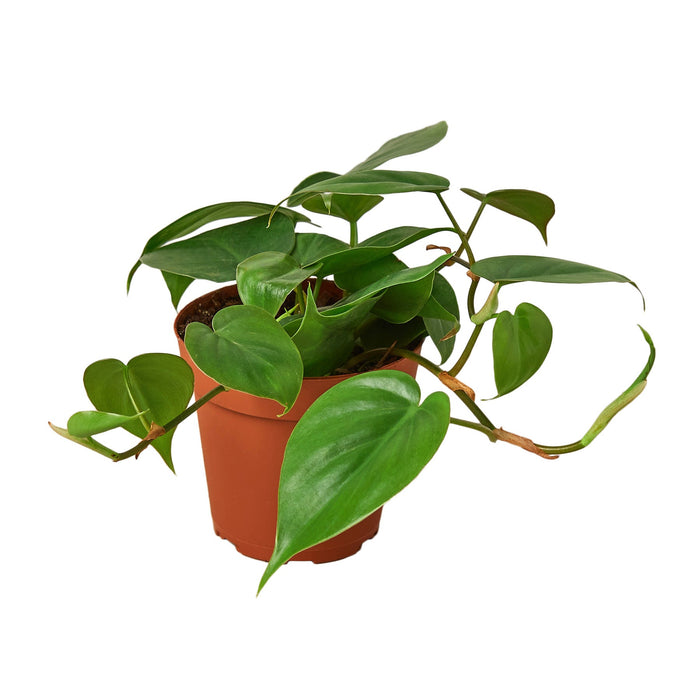
Heartleaf Philodendron in a 4-inch nursery pot.

Heartleaf Philodendron

Soft, trailing foliage adds movement to a shelf or plant corner.

Collection
Trailing Plants
Nursery pot sizes
4-inch nursery pot. The measurement refers to pot diameter, not plant height.
Pictured plant
Heartleaf Philodendron in a 4-inch nursery pot.
Plant appearance
Living plants vary in size, fullness, color, and leaf shape. Images show the plant type rather than an exact individual plant.
Homes with pets
This plant is outside our Pet-Friendly collection. Check species-specific guidance before placing plants where pets can reach them.

Care at a glance

Water
Water when the soil surface is dry. Keep evenly moist, never soggy.
Light
Medium to bright indirect light; tolerates lower light.
Temperature
65–80°F
Humidity
Average; about 40–60% preferred
Mature indoor size
Trailing or climbing stems 4–6 ft, potentially longer
Difficulty
Easy

Pets

ASPCA lists Philodendron hederaceum as toxic to cats and dogs because of insoluble calcium oxalates. Chewing may cause mouth pain or swelling, drooling, vomiting, and difficulty swallowing.

Sources: NC State Extension ASPCA

Available options

Choose an option to see full details and add it to your cart.
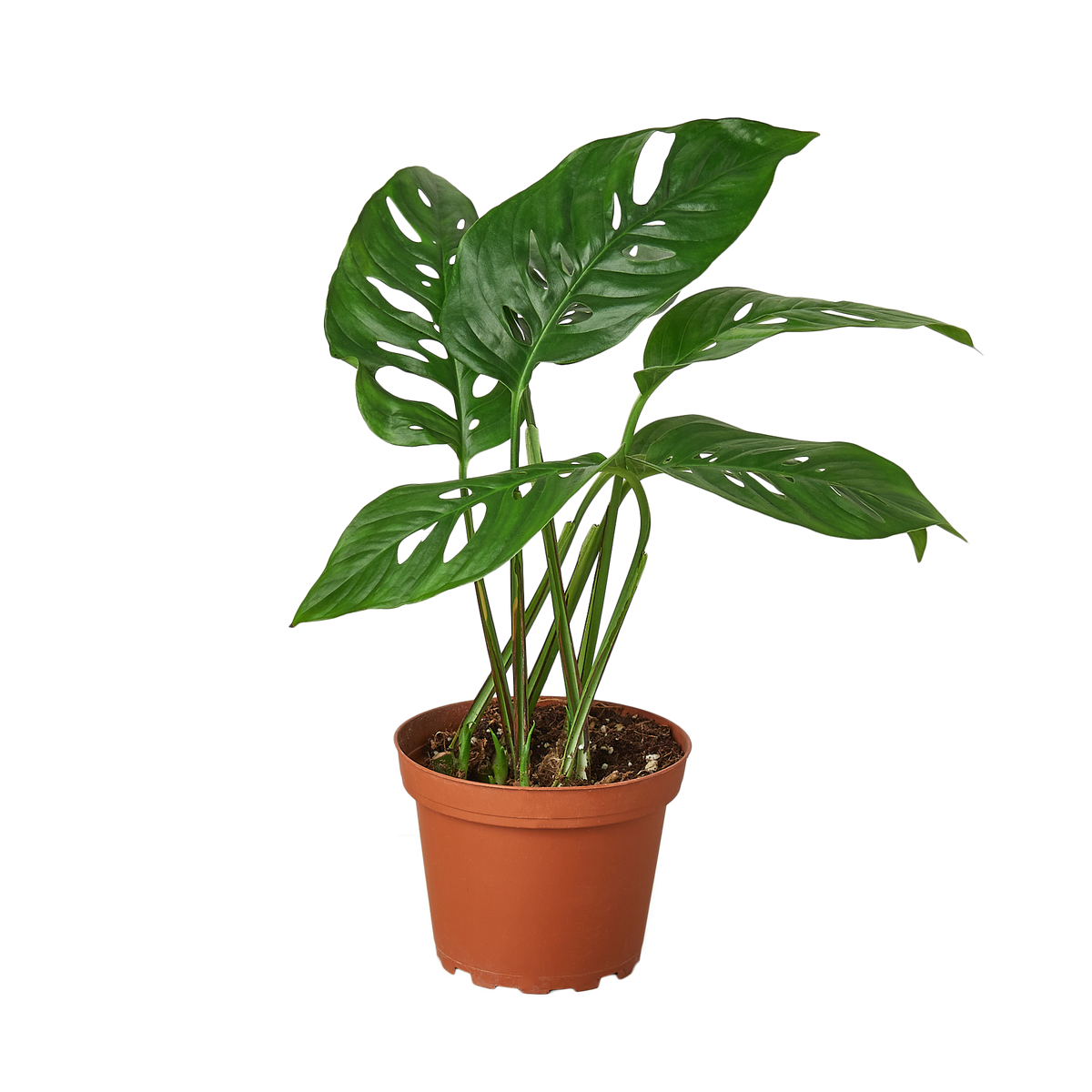
Swiss Cheese Monstera in a 4-inch nursery pot.

Swiss Cheese Monstera

A climbing aroid with naturally perforated leaves and a lighter silhouette.

Collection
Trailing Plants
Nursery pot sizes
4-inch nursery pot. The measurement refers to pot diameter, not plant height.
Pictured plant
Swiss Cheese Monstera in a 4-inch nursery pot.
Plant appearance
Living plants vary in size, fullness, color, and leaf shape. Images show the plant type rather than an exact individual plant.
Homes with pets
This plant is outside our Pet-Friendly collection. Check species-specific guidance before placing plants where pets can reach them.

Care at a glance

Water
Water when the top 1–2 inches of soil are dry. Keep the mix well drained.
Light
Bright indirect light; avoid hot direct sun.
Temperature
65–77°F preferred; never below 50°F
Humidity
Moderate to high
Mature indoor size
3–8 ft tall × 1–3 ft wide with support
Difficulty
Easy–moderate

Pets

NC State identifies Monstera adansonii as toxic to pets if ingested because of calcium oxalates. Keep it out of reach.

Sources: NC State Extension NC State pet guidance

Available options

Choose an option to see full details and add it to your cart.

Philodendron Brasil in a 4-inch nursery pot.

Philodendron Brasil

A trailing philodendron striped with lime and deep green.

Collection
Trailing Plants
Nursery pot sizes
4-inch nursery pot. The measurement refers to pot diameter, not plant height.
Pictured plant
Philodendron Brasil in a 4-inch nursery pot.
Plant appearance
Living plants vary in size, fullness, color, and leaf shape. Images show the plant type rather than an exact individual plant.
Homes with pets
This plant is outside our Pet-Friendly collection. Check species-specific guidance before placing plants where pets can reach them.

Care at a glance

Water
Water when the soil surface is dry, then drain thoroughly.
Light
Bright indirect light for the strongest variegation.
Temperature
65–80°F
Humidity
Average; about 40–60% preferred
Mature indoor size
Trailing or climbing stems 4–6 ft, potentially longer
Difficulty
Easy

Pets

Philodendron hederaceum contains insoluble calcium oxalates and is toxic to cats and dogs if chewed. Keep it out of reach.

Sources: NC State Extension ASPCA

Available options

Choose an option to see full details and add it to your cart.
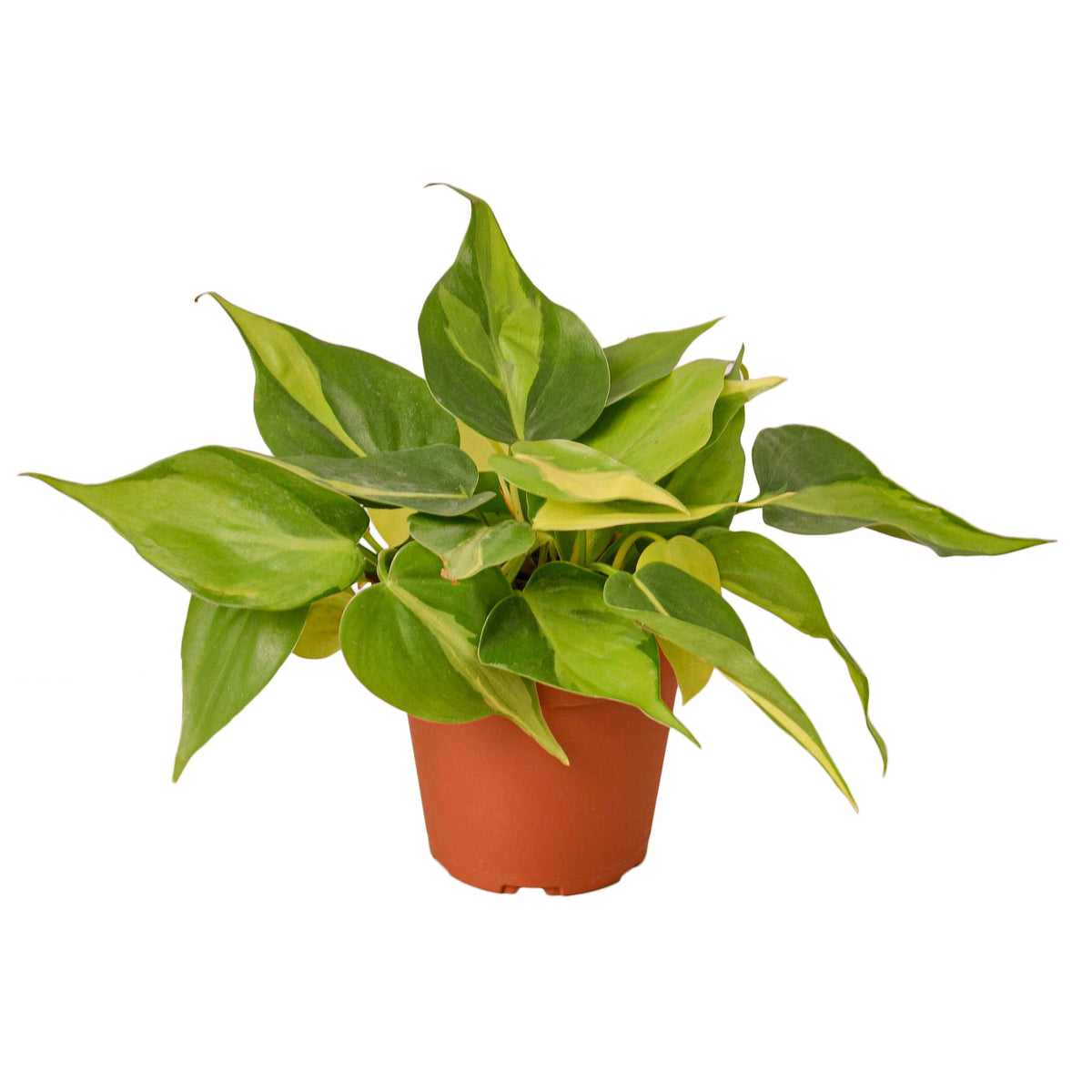
Velvet Philodendron in a 4-inch nursery pot.

Velvet Philodendron

A trailing philodendron with soft, deep-green heart-shaped leaves.

Collection
Trailing Plants
Nursery pot sizes
4-inch nursery pot. The measurement refers to pot diameter, not plant height.
Pictured plant
Velvet Philodendron in a 4-inch nursery pot.
Plant appearance
Living plants vary in size, fullness, color, and leaf shape. Images show the plant type rather than an exact individual plant.
Homes with pets
This plant is outside our Pet-Friendly collection. Check species-specific guidance before placing plants where pets can reach them.

Care at a glance

Water
Water when the soil surface is dry. Avoid saturated soil.
Light
Bright to medium indirect light.
Temperature
65–80°F
Humidity
Average; about 40–60% preferred
Mature indoor size
Trailing or climbing stems about 4–6 ft
Difficulty
Easy–moderate

Pets

This Philodendron hederaceum form contains insoluble calcium oxalates and is toxic to cats and dogs if chewed. Keep it out of reach.

Sources: NC State Extension ASPCA

Available options

Choose an option to see full details and add it to your cart.
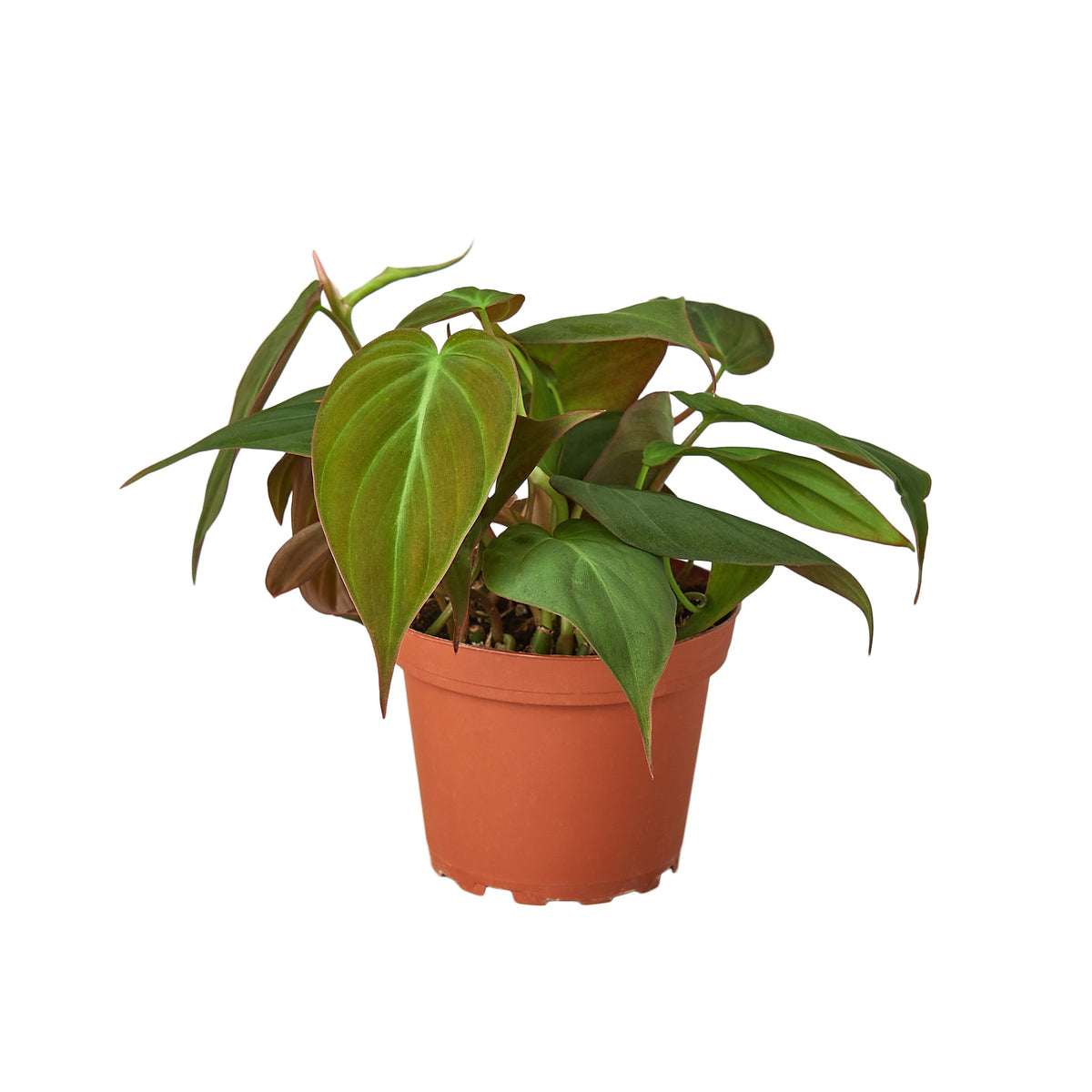
Parlor Palm shown in a 6-inch nursery pot.

Parlor Palm

Chamaedorea elegans. An upright palm with fine, arching fronds and an easy presence.

Collection
Statement Plants
Nursery pot sizes
4-inch and 6-inch nursery pots. The measurement refers to pot diameter, not plant height.
Pictured plant
Parlor Palm shown in a 6-inch nursery pot.
Plant appearance
Living plants vary in size, fullness, color, and leaf shape. Images show the plant type rather than an exact individual plant.
Homes with pets
The stated species is listed in the ASPCA plant list as non-toxic to cats and dogs. Non-toxic does not mean edible. Discourage chewing and keep soil and plant-care products out of reach.

Care at a glance

Water
Water when the upper 1–2 inches dry slightly. Never leave the soil waterlogged.
Light
Bright indirect light to light shade; avoid harsh sun.
Temperature
68–80°F; about 55°F winter minimum
Humidity
Moderate
Mature indoor size
Usually 1–4 ft indoors; older plants can approach 5 ft
Difficulty
Easy

Pets

ASPCA lists Chamaedorea elegans as non-toxic to cats and dogs. Non-toxic does not mean edible; discourage chewing.

Sources: RHS ASPCA

Available options

Choose an option to see full details and add it to your cart.

Ponytail Palm shown in a 6-inch nursery pot.

Ponytail Palm

Beaucarnea recurvata. A sculptural plant with a sturdy base and flowing leaves.

Collection
Statement Plants
Nursery pot sizes
4-inch and 6-inch nursery pots. The measurement refers to pot diameter, not plant height.
Pictured plant
Ponytail Palm shown in a 6-inch nursery pot.
Plant appearance
Living plants vary in size, fullness, color, and leaf shape. Images show the plant type rather than an exact individual plant.
Homes with pets
The stated species is listed in the ASPCA plant list as non-toxic to cats and dogs. Non-toxic does not mean edible. Discourage chewing and keep soil and plant-care products out of reach.

Care at a glance

Water
Let the mix dry through, then water deeply. Water much less in winter.
Light
Bright light to direct sun.
Temperature
Normal room range; keep above 50°F
Humidity
Low to average
Mature indoor size
6–8 ft tall × 3–5 ft wide in a large container, very slowly
Difficulty
Easy

Pets

ASPCA lists Beaucarnea recurvata as non-toxic to cats and dogs. Non-toxic does not mean edible; discourage chewing.

Sources: NC State Extension ASPCA

Available options

Choose an option to see full details and add it to your cart.
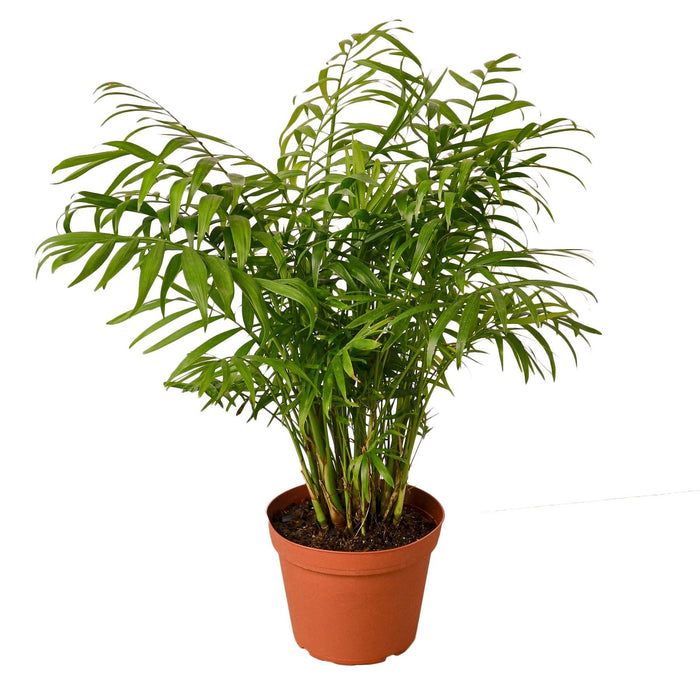
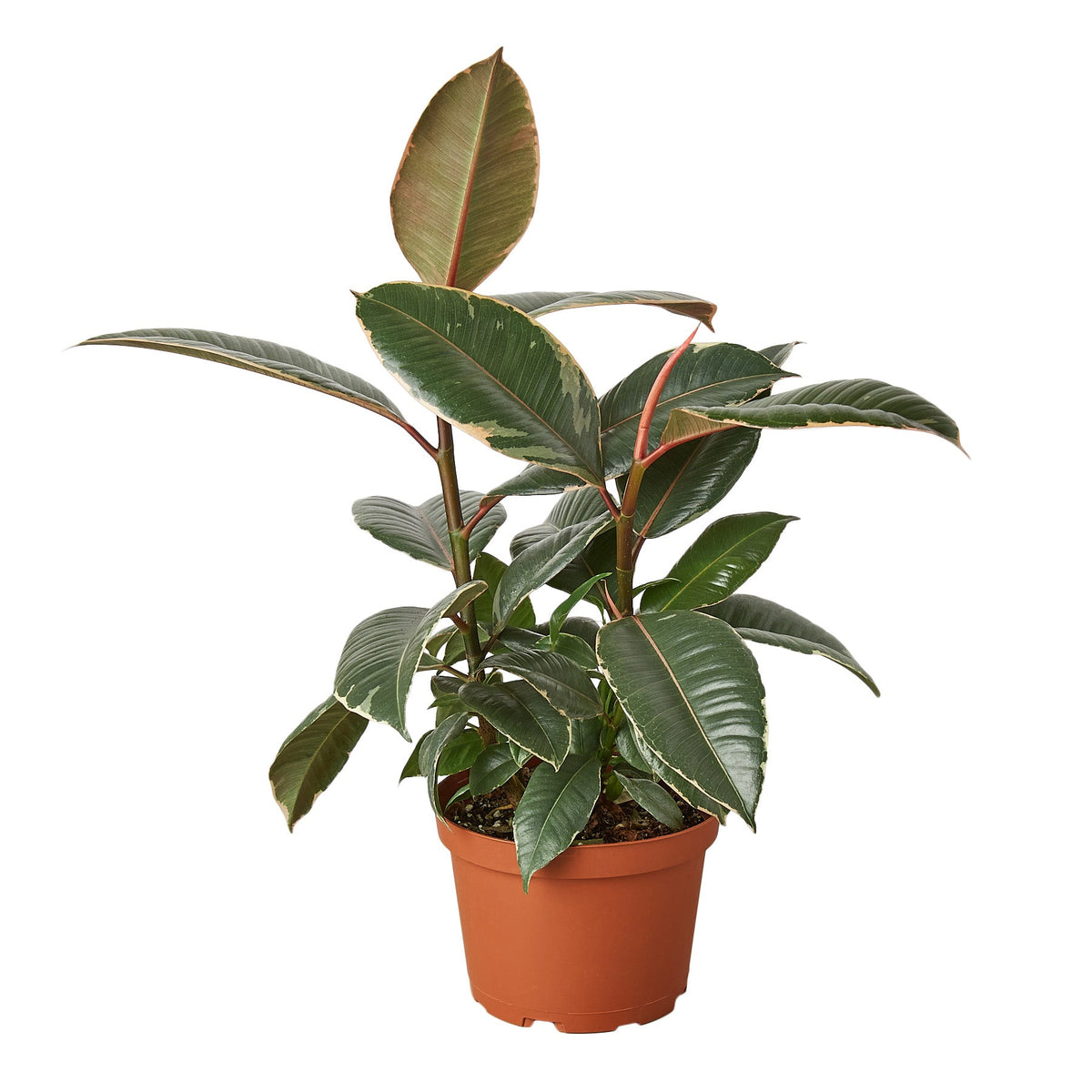
Ficus Tineke rubber plant shown in a nursery pot.

Ficus Tineke

An upright rubber plant with cream-edged green foliage.

Collection
Statement Plants
Nursery pot sizes
4-inch nursery pot. The measurement refers to pot diameter, not plant height.
Pictured plant
Ficus Tineke rubber plant shown in a nursery pot.
Plant appearance
Living plants vary in size, fullness, color, and leaf shape. Images show the plant type rather than an exact individual plant.
Homes with pets
This plant is outside our Pet-Friendly collection. Check species-specific guidance before placing plants where pets can reach them.

Care at a glance

Water
Water when the upper layer is dry. Reduce watering in winter.
Light
Bright filtered or indirect light; avoid hot afternoon sun.
Temperature
65–80°F preferred; keep above 55°F
Humidity
Medium
Mature indoor size
Usually 2–10 ft indoors; may grow taller
Difficulty
Moderate

Pets

NC State flags Ficus elastica as a problem for cats and dogs. Milky sap can irritate skin, and ingestion may cause gastrointestinal irritation.

Sources: NC State Extension NC State pet guidance

Available options

Choose an option to see full details and add it to your cart.

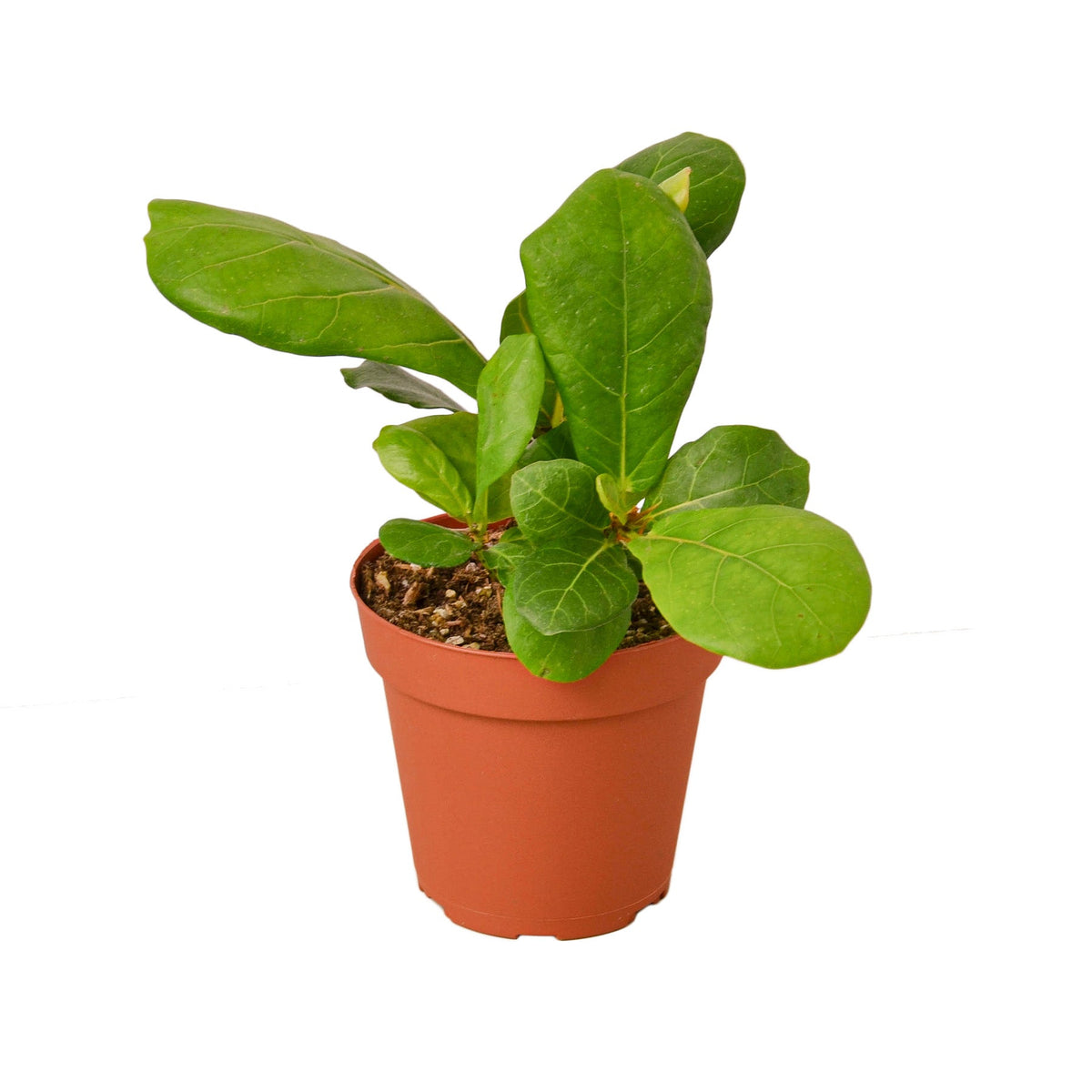
Young Fiddle Leaf Fig in a 4-inch nursery pot.

Fiddle Leaf Fig

An upright statement plant with broad, violin-shaped leaves.

Collection
Statement Plants
Nursery pot sizes
4-inch nursery pot. The measurement refers to pot diameter, not plant height.
Pictured plant
Young Fiddle Leaf Fig in a 4-inch nursery pot.
Plant appearance
Living plants vary in size, fullness, color, and leaf shape. Images show the plant type rather than an exact individual plant.
Homes with pets
This plant is outside our Pet-Friendly collection. Check species-specific guidance before placing plants where pets can reach them.

Care at a glance

Water
Water when the top layer feels dry, then soak and drain.
Light
Bright indirect or filtered light; protect from afternoon sun.
Temperature
65–80°F preferred; keep above 55°F
Humidity
Medium
Mature indoor size
2–10 ft indoors
Difficulty
Moderate–advanced

Pets

NC State identifies Ficus lyrata as toxic to cats and dogs if ingested. Oral irritation, drooling, vomiting, and difficulty swallowing may occur; sap can irritate skin.

Sources: NC State Extension NC State pet guidance

Available options

Choose an option to see full details and add it to your cart.

Bird’s-Nest Fern in a 4-inch nursery pot.

Bird’s-Nest Fern

A broad-leaf fern with a fresh, rippled rosette shape.

Collection
Statement Plants
Nursery pot sizes
4-inch nursery pot. The measurement refers to pot diameter, not plant height.
Pictured plant
Bird’s-Nest Fern in a 4-inch nursery pot.
Plant appearance
Living plants vary in size, fullness, color, and leaf shape. Images show the plant type rather than an exact individual plant.
Homes with pets
This plant is outside our Pet-Friendly collection. Check species-specific guidance before placing plants where pets can reach them.

Care at a glance

Water
Water as the surface begins to dry; do not let the root zone dry completely. Water around the pot edge, not into the crown.
Light
Bright indirect light or light shade.
Temperature
60–70°F
Humidity
High, about 50–70%
Mature indoor size
3–5 ft tall × 2–3 ft wide at maturity
Difficulty
Moderate

Pets

Clemson Extension describes bird’s-nest fern as non-toxic to pets. An exact ASPCA Asplenium nidus entry was not located. Discourage chewing and confirm plant identity.

Sources: NC State Extension Clemson Extension

This item is not available to order yet.

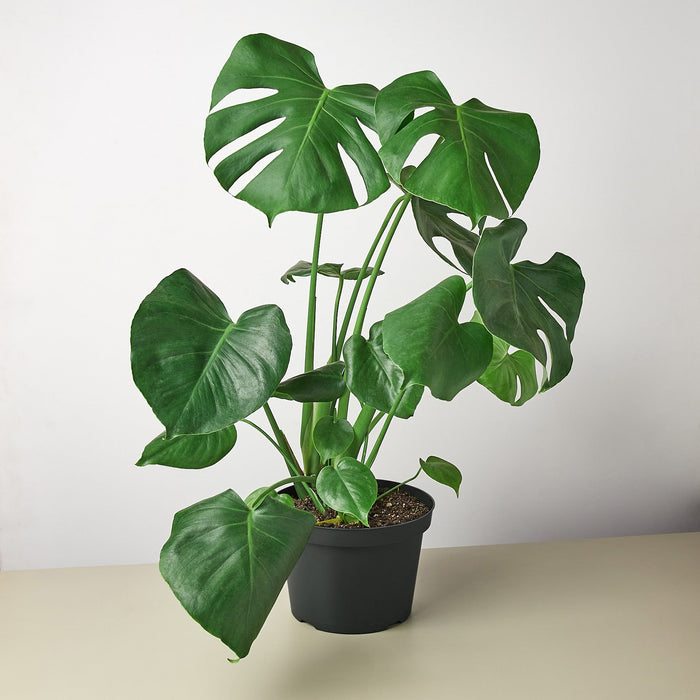
Monstera Deliciosa shown in an 8-inch nursery pot.

Monstera Deliciosa

A classic tropical plant known for bold leaves that change as it matures.

Collection
Statement Plants
Nursery pot sizes
4-inch and 8-inch nursery pots. The measurement refers to pot diameter, not plant height.
Pictured plant
Monstera Deliciosa shown in an 8-inch nursery pot.
Plant appearance
Living plants vary in size, fullness, color, and leaf shape. Images show the plant type rather than an exact individual plant.
Homes with pets
This plant is outside our Pet-Friendly collection. Check species-specific guidance before placing plants where pets can reach them.

Care at a glance

Water
Water when the top quarter to one-third of the mix is dry, then drain thoroughly.
Light
Bright indirect to moderate light; avoid strong direct sun.
Temperature
65–77°F
Humidity
Moderate to high
Mature indoor size
Commonly 6–8 ft indoors; potentially larger with support
Difficulty
Easy–moderate

Pets

ASPCA lists Monstera deliciosa as toxic to cats and dogs because of insoluble calcium oxalates. Chewing can cause oral burning, drooling, vomiting, and difficulty swallowing.

Sources: NC State Extension ASPCA

Available options

Choose an option to see full details and add it to your cart.
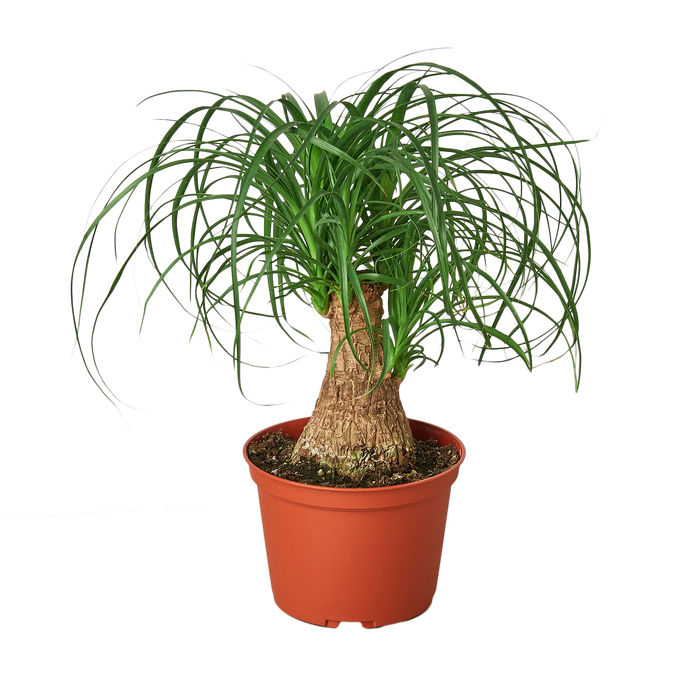
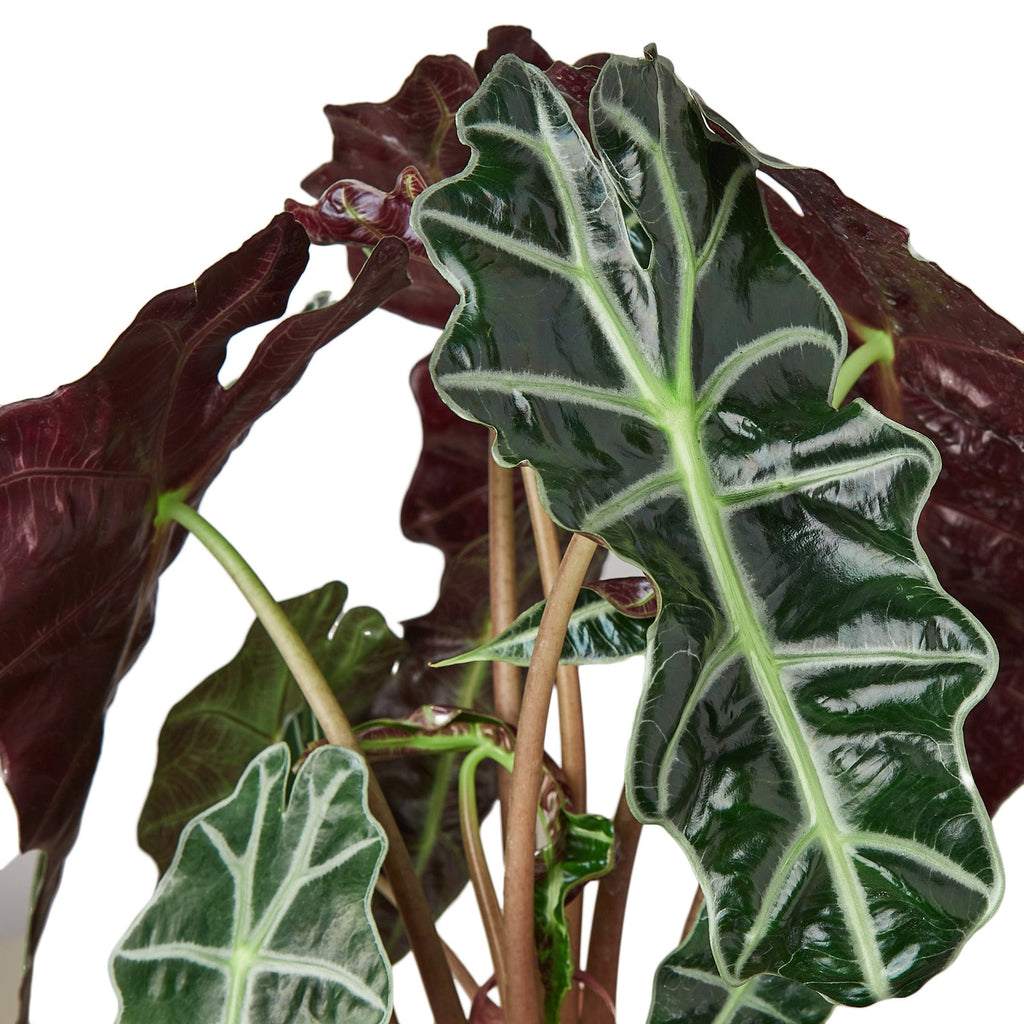
Alocasia African Mask leaves with contrasting pale veins.

Alocasia African Mask

Arrow-shaped leaves with pale veins create a graphic, compact profile.

Collection
Statement Plants
Nursery pot sizes
4-inch nursery pot. The measurement refers to pot diameter, not plant height.
Pictured plant
Alocasia African Mask leaves with contrasting pale veins.
Plant appearance
Living plants vary in size, fullness, color, and leaf shape. Images show the plant type rather than an exact individual plant.
Homes with pets
This plant is outside our Pet-Friendly collection. Check species-specific guidance before placing plants where pets can reach them.

Care at a glance

Water
Water when the top 2 inches dry during active growth. Keep much drier while dormant.
Light
Bright indirect light.
Temperature
60–85°F in growth; above 50°F in winter
Humidity
Medium to high
Mature indoor size
About 1–2 ft tall × 1–2 ft wide
Difficulty
Advanced

Pets

ASPCA lists Alocasia species as toxic to cats and dogs because of insoluble calcium oxalates. Chewing may cause oral pain or swelling, drooling, vomiting, and difficulty swallowing.

Sources: RHS ASPCA

Available options

Choose an option to see full details and add it to your cart.

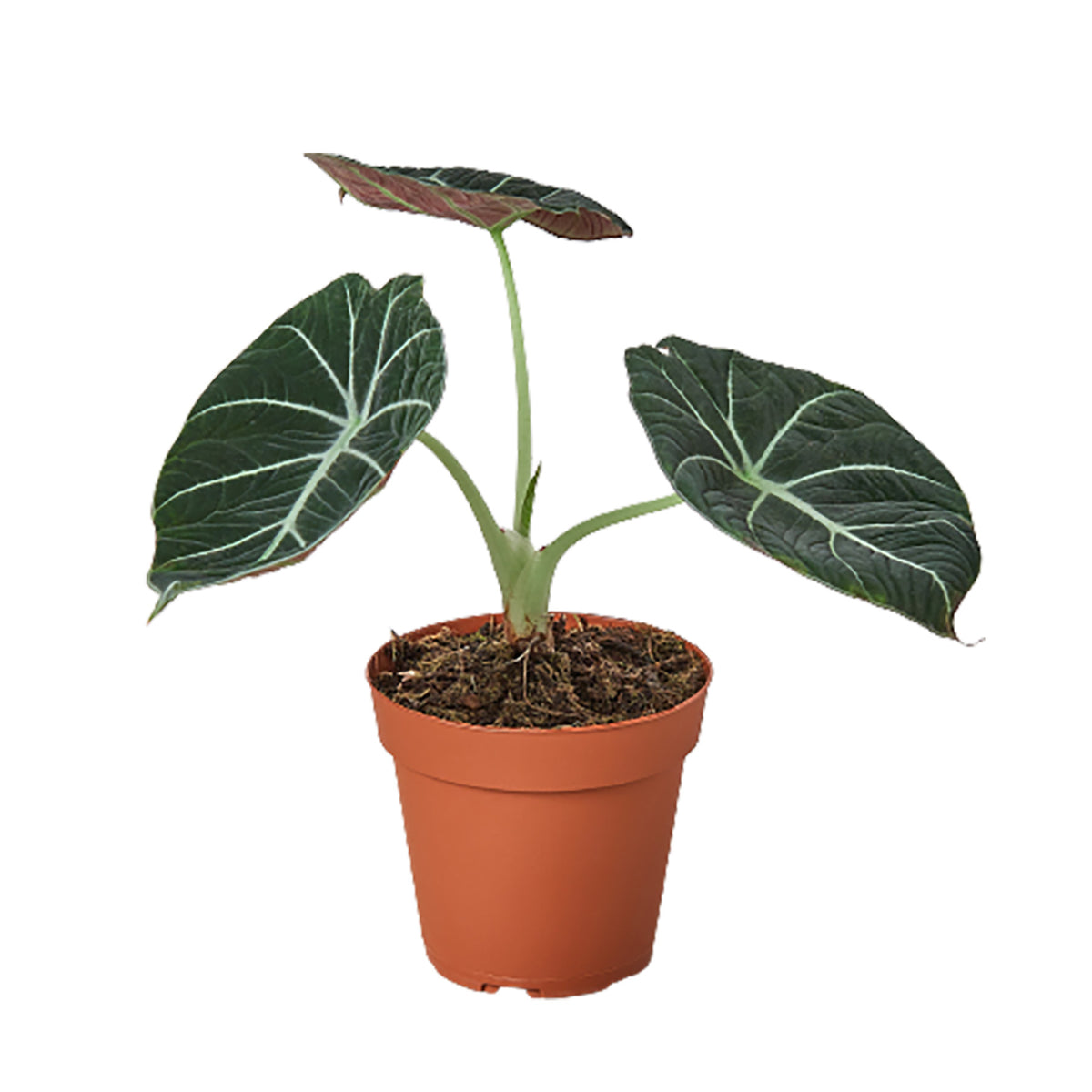
Alocasia Black Velvet in a 4-inch nursery pot.

Alocasia Black Velvet

Compact, dark velvety leaves bring strong texture to a small footprint.

Collection
Statement Plants
Nursery pot sizes
4-inch nursery pot. The measurement refers to pot diameter, not plant height.
Pictured plant
Alocasia Black Velvet in a 4-inch nursery pot.
Plant appearance
Living plants vary in size, fullness, color, and leaf shape. Images show the plant type rather than an exact individual plant.
Homes with pets
This plant is outside our Pet-Friendly collection. Check species-specific guidance before placing plants where pets can reach them.

Care at a glance

Water
Water when the top 1–2 inches dry. Reduce sharply during dormancy.
Light
Bright indirect light.
Temperature
60–85°F in growth; above 50°F in winter
Humidity
Medium to high
Mature indoor size
About 1–1.5 ft tall and wide
Difficulty
Advanced

Pets

ASPCA lists Alocasia species as toxic to cats and dogs because of insoluble calcium oxalates. Keep this plant out of reach.

Sources: RHS ASPCA

Available options

Choose an option to see full details and add it to your cart.

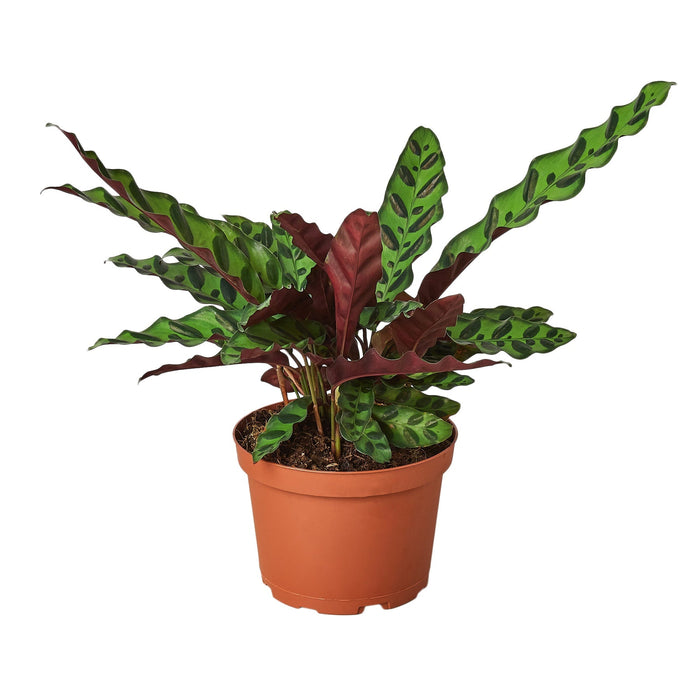
Rattlesnake Calathea shown in a 6-inch nursery pot.

Rattlesnake Calathea

Goeppertia insignis. Long, patterned leaves with rippled edges bring movement and texture to a room.

Collection
Statement Plants
Nursery pot sizes
6-inch nursery pot. The measurement refers to pot diameter, not plant height.
Pictured plant
Rattlesnake Calathea shown in a 6-inch nursery pot.
Plant appearance
Living plants vary in size, fullness, color, and leaf shape. Images show the plant type rather than an exact individual plant.
Homes with pets
The stated species is listed in the ASPCA plant list as non-toxic to cats and dogs. Non-toxic does not mean edible. Discourage chewing and keep soil and plant-care products out of reach.

Care at a glance

Water
Water when the surface just begins to dry. Keep uniformly moist, never wet.
Light
Bright shade or diffused morning sun; avoid strong direct sun.
Temperature
65–75°F
Humidity
High, about 50–70%
Mature indoor size
About 1.5 ft tall × 0.75–1.5 ft wide
Difficulty
Advanced

Pets

ASPCA lists the synonym Calathea insignis as non-toxic to cats and dogs. Non-toxic does not mean edible; discourage chewing.

Sources: NC State Extension ASPCA

Available options

Choose an option to see full details and add it to your cart.
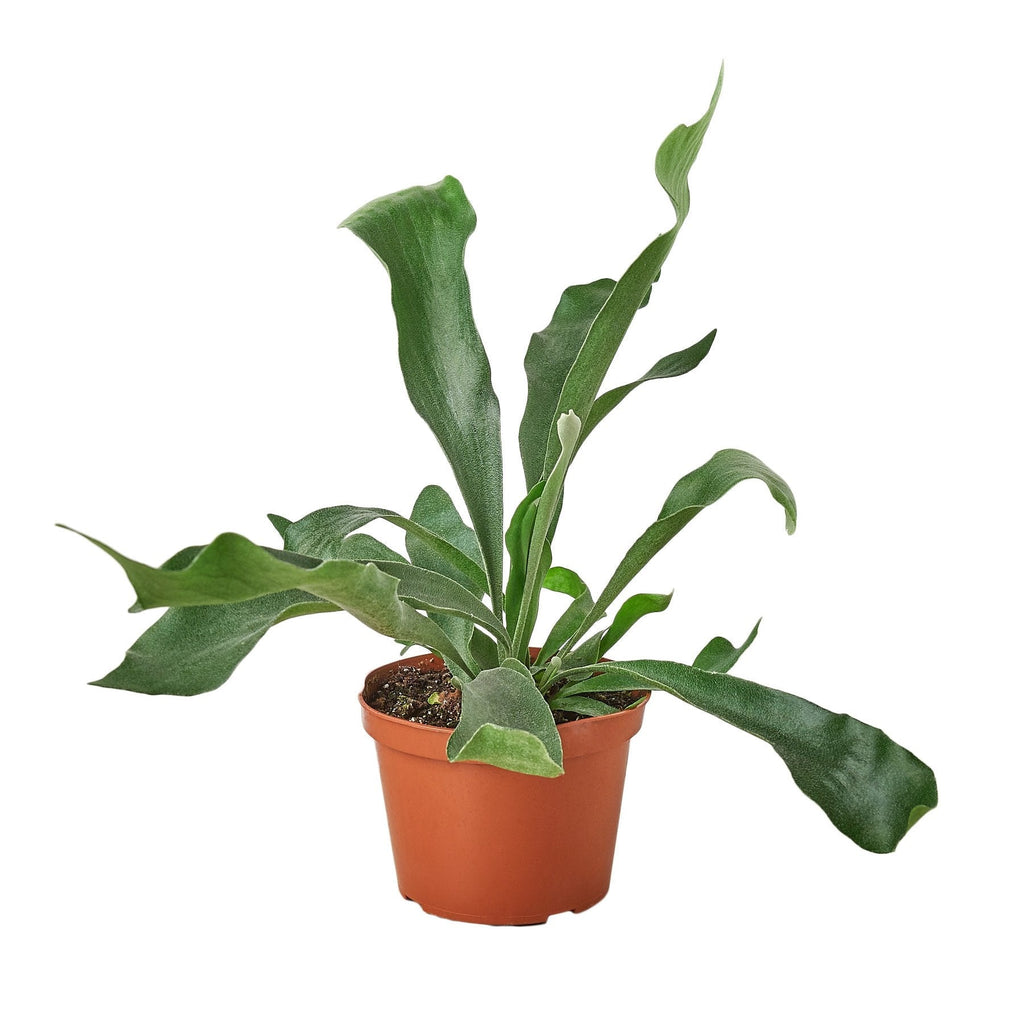
Staghorn Fern shown in a 6-inch nursery pot.

Staghorn Fern

Platycerium bifurcatum. Forked, softly textured fronds bring a sculptural shape to shelves and plant stands.

Collection
Statement Plants
Nursery pot sizes
6-inch nursery pot. The measurement refers to pot diameter, not plant height.
Pictured plant
Staghorn Fern shown in a 6-inch nursery pot.
Plant appearance
Living plants vary in size, fullness, color, and leaf shape. Images show the plant type rather than an exact individual plant.
Homes with pets
The stated species is listed in the ASPCA plant list as non-toxic to cats and dogs. Non-toxic does not mean edible. Discourage chewing and keep soil and plant-care products out of reach.

Care at a glance

Water
Let the growing medium dry slightly between waterings. Soak the fronds at the base and the growing medium, then let excess water drain fully.
Light
Bright indirect or dappled light.
Temperature
60–80°F preferred; keep above 55°F
Humidity
Moderate
Mature indoor size
About 2–3 ft across
Difficulty
Moderate

Pets

ASPCA lists Platycerium bifurcatum as non-toxic to cats and dogs. Non-toxic does not mean edible; discourage chewing.

Sources: Wisconsin Extension ASPCA

Available options

Choose an option to see full details and add it to your cart.
Zebra Succulent with upright striped leaves in a nursery pot.

Zebra Succulent

A compact succulent with upright striped leaves and a crisp architectural shape.

Collection
Statement Plants
Nursery pot sizes
3-inch and 4-inch nursery pots. The measurement refers to pot diameter, not plant height.
Pictured plant
Zebra Succulent with upright striped leaves in a nursery pot.
Plant appearance
Living plants vary in size, fullness, color, and leaf shape. Images show the plant type rather than an exact individual plant.
Homes with pets
This plant is outside our Pet-Friendly collection. Check species-specific guidance before placing plants where pets can reach them.

Care at a glance

Water
Let the mix dry between waterings, then water thoroughly and drain.
Light
Bright indirect light; protect from intense afternoon sun.
Humidity
Average household humidity
Difficulty
Easy

Pets

The supplier title does not establish an exact botanical species, so pet safety is not verified. Keep it out of reach and discourage chewing.

Sources: NC State Extension

Available options

Choose an option to see full details and add it to your cart.

Peperomia Watermelon with rounded silver-striped leaves in a nursery pot.

Peperomia Watermelon

Rounded, silver-striped leaves bring graphic pattern to a compact footprint.

Collection
Statement Plants
Nursery pot sizes
4-inch and 6-inch nursery pots. The measurement refers to pot diameter, not plant height.
Pictured plant
Peperomia Watermelon with rounded silver-striped leaves in a nursery pot.
Plant appearance
Living plants vary in size, fullness, color, and leaf shape. Images show the plant type rather than an exact individual plant.
Homes with pets
The stated species is listed in the ASPCA plant list as non-toxic to cats and dogs. Non-toxic does not mean edible. Discourage chewing and keep soil and plant-care products out of reach.

Care at a glance

Water
Water when the soil surface feels dry, then drain fully. Avoid saturated soil.
Light
Bright indirect light; avoid strong direct sun.
Humidity
Average to moderate
Difficulty
Easy-moderate

Pets

ASPCA lists Peperomia argyreia as non-toxic to cats and dogs. Non-toxic does not mean edible; discourage chewing.

Sources: NC State Extension ASPCA

Available options

Choose an option to see full details and add it to your cart.

Chinese Money Plant with round leaves on upright stems in a nursery pot.

Chinese Money Plant

Round leaves on upright stems create an airy, sculptural silhouette.

Collection
Statement Plants
Nursery pot sizes
4-inch and 6-inch nursery pots. The measurement refers to pot diameter, not plant height.
Pictured plant
Chinese Money Plant with round leaves on upright stems in a nursery pot.
Plant appearance
Living plants vary in size, fullness, color, and leaf shape. Images show the plant type rather than an exact individual plant.
Homes with pets
This plant is outside our Pet-Friendly collection. Check species-specific guidance before placing plants where pets can reach them.

Care at a glance

Water
Keep the mix lightly moist but well drained; let the surface dry slightly before watering again.
Light
Bright indirect light.
Humidity
Average to moderate
Difficulty
Easy-moderate

Pets

NC State Extension describes Pilea peperomioides as safe for pets. Non-toxic does not mean edible; discourage chewing.

Sources: NC State Extension NC State pet guidance

Available options

Choose an option to see full details and add it to your cart.

Maranta Lemon Lime with patterned green leaves in a nursery pot.

Maranta 'Lemon Lime'

Lime-veined leaves bring bright pattern and low, spreading growth.

Collection
Statement Plants
Nursery pot sizes
4-inch and 6-inch nursery pots. The measurement refers to pot diameter, not plant height.
Pictured plant
Maranta Lemon Lime with patterned green leaves in a nursery pot.
Plant appearance
Living plants vary in size, fullness, color, and leaf shape. Images show the plant type rather than an exact individual plant.
Homes with pets
The stated species is listed in the ASPCA plant list as non-toxic to cats and dogs. Non-toxic does not mean edible. Discourage chewing and keep soil and plant-care products out of reach.

Care at a glance

Water
Keep evenly moist during active growth, then let the surface dry a little more in winter. Never leave it waterlogged.
Light
Bright indirect light; direct sun can fade or scorch the leaves.
Humidity
High
Difficulty
Moderate-advanced

Pets

ASPCA lists prayer plant as non-toxic to cats and dogs. Non-toxic does not mean edible; discourage chewing.

Sources: NC State Extension ASPCA

Available options

Choose an option to see full details and add it to your cart.
Ric Rac Cactus with zigzag stems in a nursery pot.

Ric Rac Cactus

Zigzag stems spill outward for a sculptural trailing shape.

Collection
Trailing Plants
Nursery pot sizes
4-inch and 6-inch nursery pots. The measurement refers to pot diameter, not plant height.
Pictured plant
Ric Rac Cactus with zigzag stems in a nursery pot.
Plant appearance
Living plants vary in size, fullness, color, and leaf shape. Images show the plant type rather than an exact individual plant.
Homes with pets
This plant is outside our Pet-Friendly collection. Check species-specific guidance before placing plants where pets can reach them.

Care at a glance

Water
Keep the mix slightly moist from spring through summer, allowing the surface to begin drying between waterings. Water less in winter.
Light
Bright filtered light; avoid strong midday sun.
Humidity
Moderate to high
Difficulty
Moderate

Pets

An exact ASPCA entry for Epiphyllum anguliger was not found, so pet safety is not verified. Keep it out of reach and discourage chewing.

Sources: RHS

Available options

Choose an option to see full details and add it to your cart.

Hoya Rope Plant with twisted waxy leaves in a nursery pot.

Hoya Rope Plant

Twisted waxy leaves create a dense trailing form.

Collection
Trailing Plants
Nursery pot sizes
4-inch, 6-inch, and 8-inch nursery pots. The measurement refers to pot diameter, not plant height.
Pictured plant
Hoya Rope Plant with twisted waxy leaves in a nursery pot.
Plant appearance
Living plants vary in size, fullness, color, and leaf shape. Images show the plant type rather than an exact individual plant.
Homes with pets
The stated species is listed in the ASPCA plant list as non-toxic to cats and dogs. Non-toxic does not mean edible. Discourage chewing and keep soil and plant-care products out of reach.

Care at a glance

Water
Let the airy mix become almost dry, then soak and drain. Do not leave the roots waterlogged.
Light
Bright indirect light with some gentle sun.
Humidity
Average, about 40-60%
Difficulty
Easy-moderate

Pets

ASPCA lists Hoya carnosa as non-toxic to cats and dogs. Non-toxic does not mean edible; discourage chewing.

Sources: Iowa State Extension ASPCA

Available options

Choose an option to see full details and add it to your cart.
String of Turtles with small patterned leaves trailing from a nursery pot.

String of Turtles

Small patterned leaves trail softly over shelves and planters.

Collection
Trailing Plants
Nursery pot sizes
3-inch and 4-inch nursery pots. The measurement refers to pot diameter, not plant height.
Pictured plant
String of Turtles with small patterned leaves trailing from a nursery pot.
Plant appearance
Living plants vary in size, fullness, color, and leaf shape. Images show the plant type rather than an exact individual plant.
Homes with pets
This plant is outside our Pet-Friendly collection. Check species-specific guidance before placing plants where pets can reach them.

Care at a glance

Water
Keep the mix lightly and evenly moist, but never soggy. Let the surface begin drying before watering again.
Light
Bright indirect light; it tolerates lower light.
Humidity
Average to moderate
Difficulty
Moderate

Pets

An exact ASPCA entry for Peperomia prostrata was not found, so pet safety is not verified. Keep it out of reach and discourage chewing.

Sources: NC State Extension

Available options

Choose an option to see full details and add it to your cart.
White Phalaenopsis Orchid with white blooms above broad green leaves.

White Phalaenopsis Orchid

White blooms rise above broad green leaves for a clean vertical accent.

Collection
Statement Plants
Nursery pot sizes
3-inch nursery pot with pot options. The measurement refers to pot diameter, not plant height.
Pictured plant
White Phalaenopsis Orchid with white blooms above broad green leaves.
Plant appearance
Living plants vary in size, fullness, color, and leaf shape. Images show the plant type rather than an exact individual plant.
Homes with pets
The stated species is listed in the ASPCA plant list as non-toxic to cats and dogs. Non-toxic does not mean edible. Discourage chewing and keep soil and plant-care products out of reach.

Care at a glance

Water
Water thoroughly when the medium is nearly dry, then drain. Keep water out of the crown.
Light
Bright window light with little or no direct sun.
Humidity
Moderate to high, about 50-80%, with air movement
Difficulty
Moderate

Pets

ASPCA lists Phalaenopsis orchids as non-toxic to cats and dogs. Non-toxic does not mean edible; discourage chewing.

Sources: American Orchid Society ASPCA

Available options

Choose an option to see full details and add it to your cart.